Hofburg's Imperial Apartments Tickets
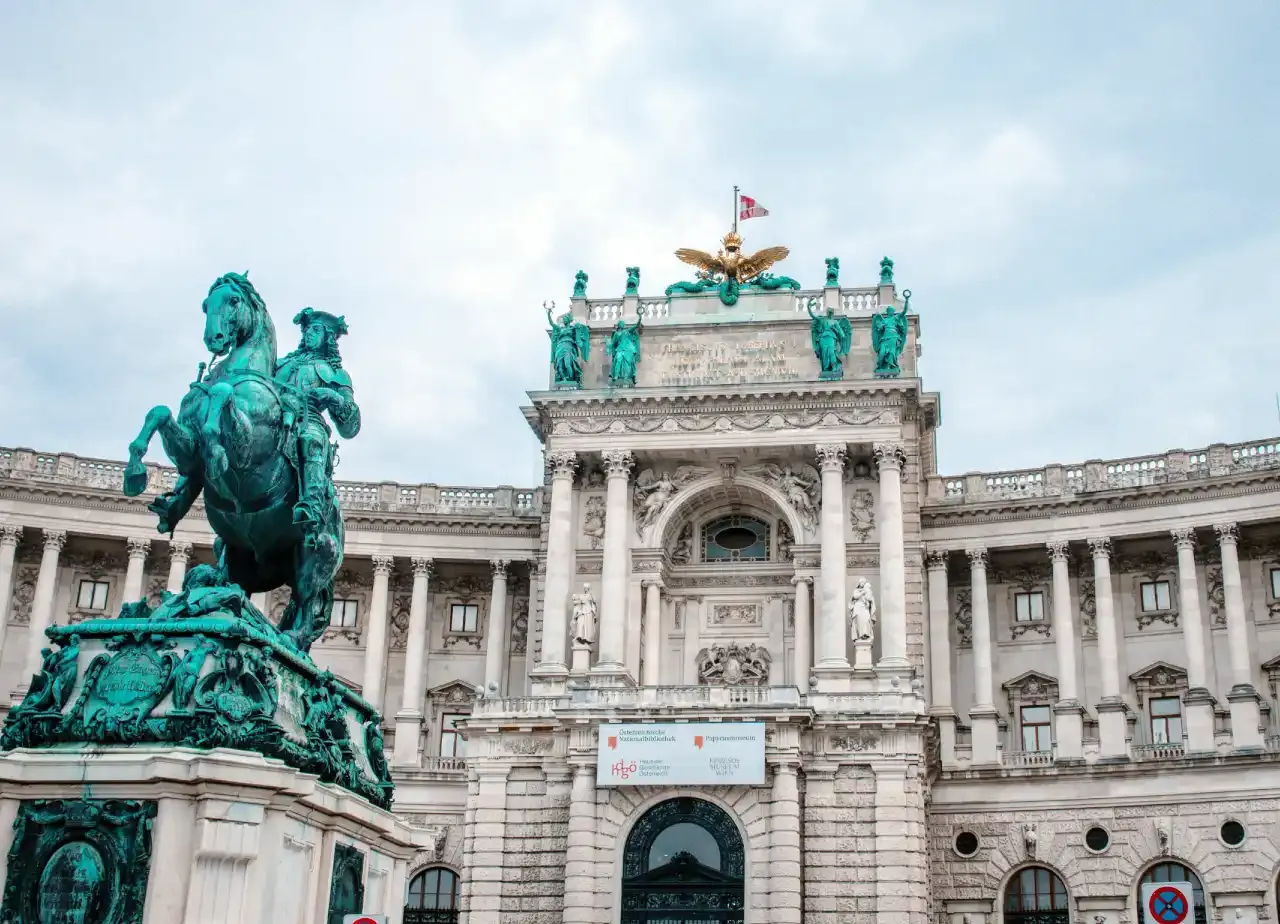
In Vienna, there is a place that you cannot fail to visit if you are interested in history: the Hofburg Palace Imperial Apartaments. Discover what daily life was like in the residence of one of Europe’s most famous couples: Emperor Franz Joseph and Empress Elisabeth (Sisi).
Book your Imperial Apartments Tickets
What are the Imperial Apartments at Hofburg?
The Hofburg Palace was for more than 600 years the imposing Habsburg residence, the dynasty that not only governed Austria, but also molded a large part of Europe. From there, they exercised an enormous influence, building magnificent palaces and promoting art.
In the palace are the Imperial Apartments (or Kaiserappartements), which consist of 19 rooms that served as private and work parlors for Emperor Franz Joseph and Empress Elisabeth (better known as Sisi). Franz was the Emperor of Austria and King of Hungary. His reign, which lasted 68 years, was one of the longest in history. He was a man of duty, formality, and incessant work, something you will see reflected in the austerity of his rooms.
Sisi, on the other hand, was his wife, a legendary, rebellious figure, obsessed with her beauty, who detested the protocol of the Vienna court and who spent a large part of her life traveling to escape from it. This contrast between the dedicated Emperor and the evasive Empress is what makes the tour of the Imperial Apartments so fascinating. In the end, you are not just seeing rooms, but the complex dynamic of a marriage under the scrutiny of an empire.
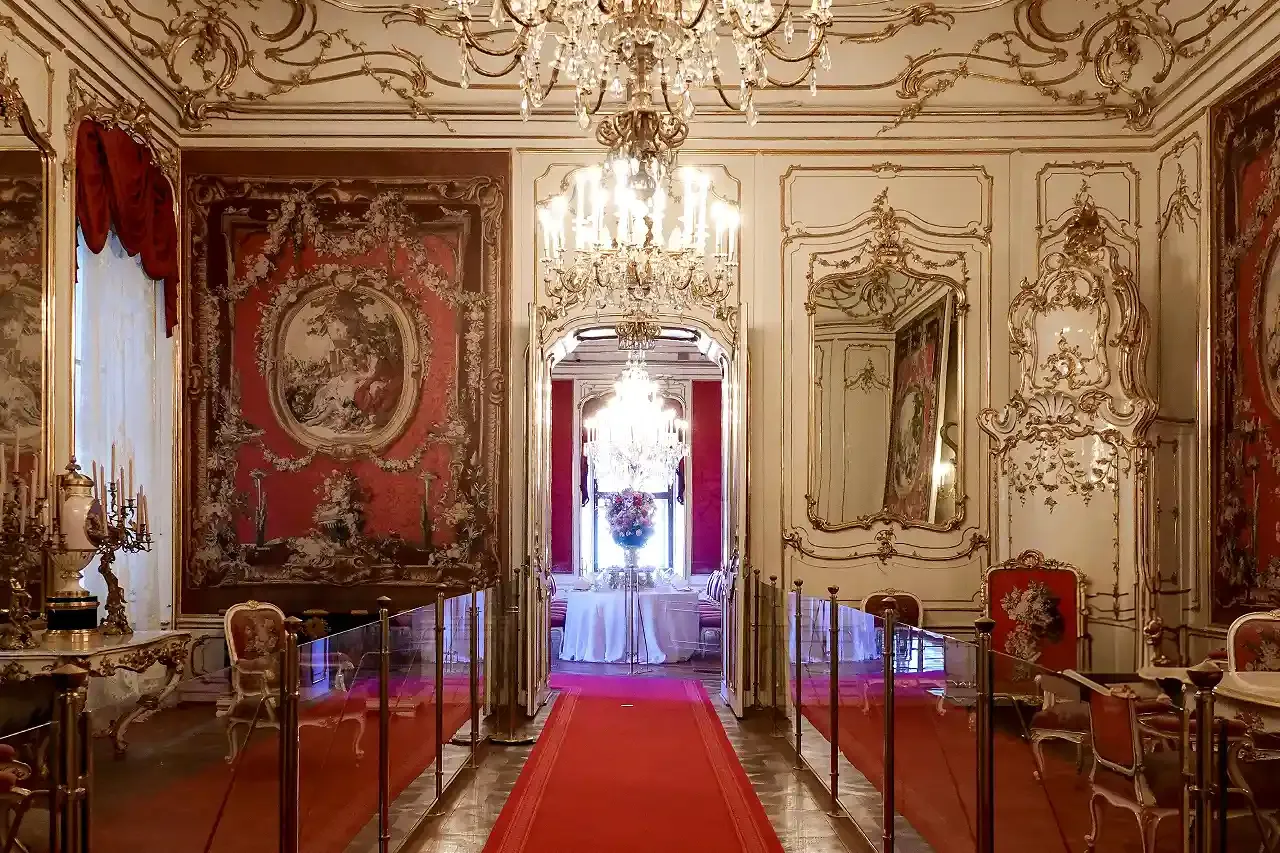
Therefore, visiting the Imperial Apartments of Vienna goes much further than seeing historical furniture and ostentatious rooms; the tour invites you to observe in detail audience halls, offices, bedrooms, and personal cabinets, all decorated with a somber luxury, very faithful to the Emperor’s taste, but also some of them have Sisi’s more intimate and personal style. An incredible mix that transports you to the late 19th century.
If you are still wondering if it is worth visiting the Imperial Apartments of the Hofburg, the answer is yes! Especially if you are interested in more than just taking a photo in a historic building. This visit is an opportunity to understand the life of the last Habsburgs in their original environment: with curious details of Franz and Sisi’s lives that you can learn yourself through the audioguide available at the place.
Where are the Imperial Apartments in Vienna located?
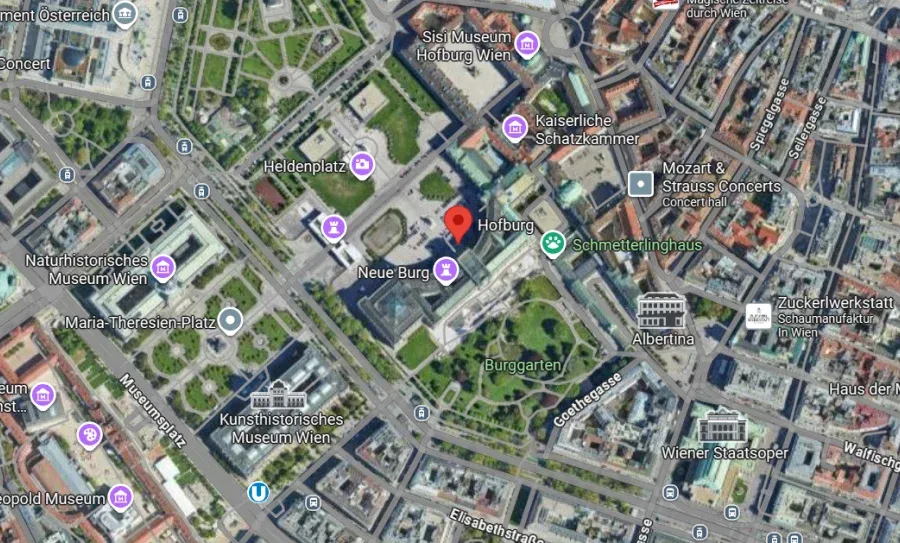
The Imperial Apartments in Vienna are located in the Hofburg Palace at Michaelerkuppel, 1010 Vienna, in the city center. More specifically, these historic rooms extend across the Imperial Chancellery Wing and the Amalienburg within the palace complex. Visitors enter the Imperial Apartments through the main entrance, which is located directly beneath the large, domed St. Michael’s Dome (St. Michael’s Wing) and also serves as the entrance to the Sisi Museum.
What can you see in the Imperial Apartments?
What can you see in the Imperial Apartments?
Sisi's Personal Spaces
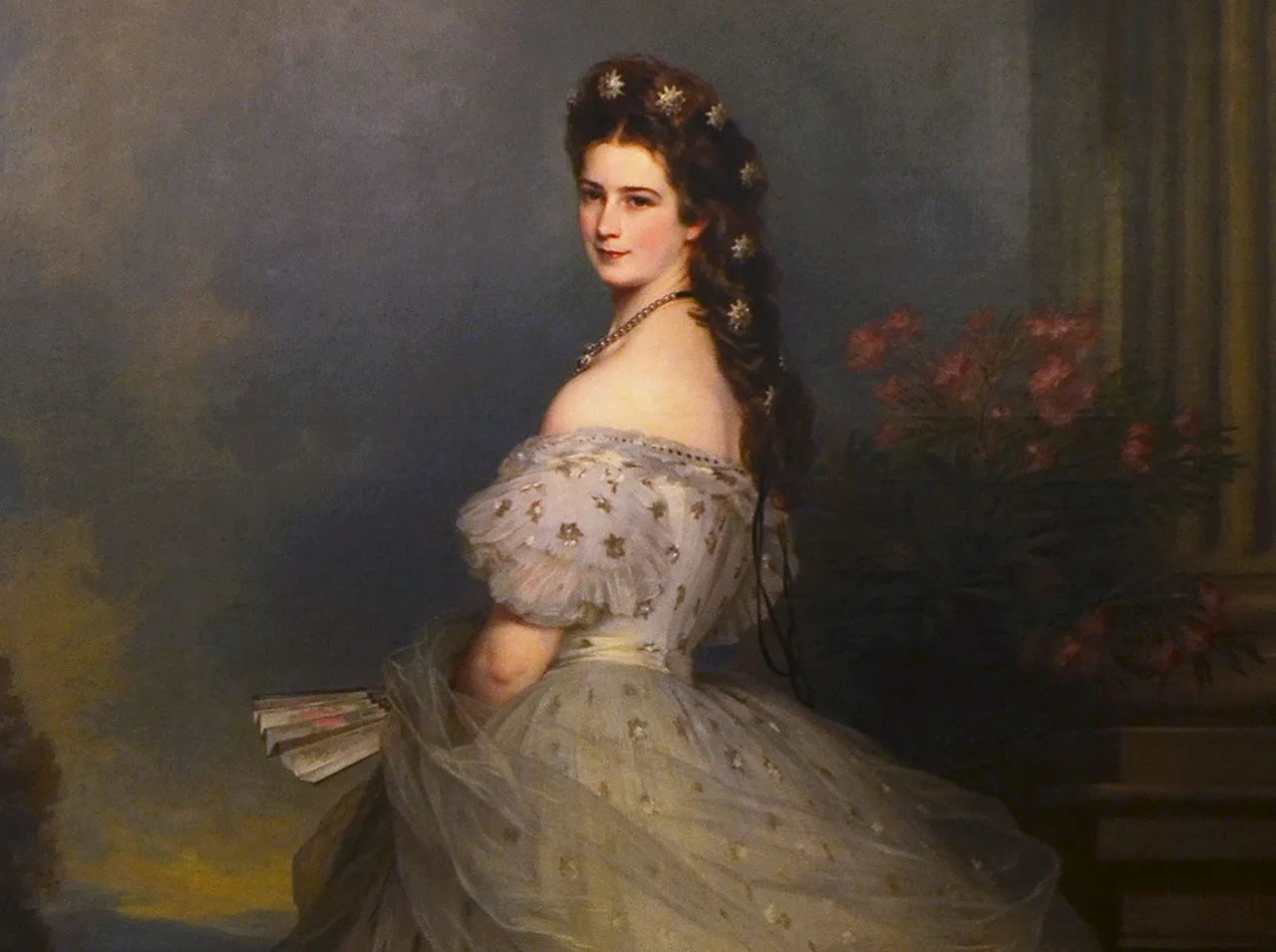
Sisi’s spaces are the ones that arouse the most curiosity in most people. And they do not disappoint, since they perfectly reflect her personality.
The Empress Elisabeth of Bavaria possessed a complex and profoundly contradictory personality that made her legendary. On the one hand, she was a woman of dazzling physical beauty and an iron discipline regarding her appearance, her routine of exercises, hair care, and diets was almost obsessive. This facet displayed an independent spirit, an aversion to the rigid norms of the Hofburg court in Vienna, and a constant search for personal freedom.
She was also a cultured and sensitive person, with a deep interest in poetry (especially that of Heine), Greek mythology, and horseback riding, which allowed her to escape the superficiality she perceived in her environment.
By touring the Hofburg Palace Rooms intended for her, you will realize that the Empress had a very particular life.
Highlights of Sisi’s Private Rooms in the Hofburg Palace
The most highlighted spaces you will find in her wing are:
- The Dressing and Exercise Hall: Sisi was obsessed with maintaining her figure, which is why you will see that this room was equipped with quite advanced gym equipment for the time. There were wall bars, horizontal bars, and rings that she used daily. Seeing her exercise routine right next to her dressing table, where she spent hours fixing her iconic hair, gives you an idea of her intense discipline and her struggle for eternal beauty.
- The Empress’s Parlor: This was her main parlor, a space that was used to receive informal visits or simply to pass the time. It is interesting to see how, unlike other more protocolary rooms, this place had a more personal touch, although it was still within the limits of an imperial life.
- Sisi’s Bedroom: You will see her wrought-iron bed, surprisingly modest. More than the luxury, what is striking is imagining one of the most powerful and melancholic women in Europe in that space, often alone, dealing with her fame and her deep unhappiness.
- The Writing Room: Sisi was a passionate poet and often retired to write. In this room, which allowed her a little isolation, you will be able to feel that more intellectual and melancholic facet of the Empress, in addition to her constant need to escape, whether physically or through literature.
Franz Joseph's Rooms
As we mentioned, you will also be able to enter Franz Joseph’s halls or rooms. If Sisi’s space felt personal and a little unsettling, the Emperor’s rooms immerse you fully in the concept of duty, order, and a life completely dedicated to the State.
The personality of Emperor Franz Joseph I of Austria contrasted drastically with that of his wife, Sisi. He embodied the archetype of the old-school monarch: he was a man of unshakeable discipline, an almost religious sense of duty, and absolute dedication to his role as head of the Austro-Hungarian Empire.
Franz was, above all, a meticulous bureaucrat and a convinced militarist; his life was governed by routine, beginning his workdays before dawn and dedicating endless hours to reviewing official documents, and his rooms reflect that discipline, in contrast to his wife’s attitude and values.
Highlights of Franz Joseph's Rooms in the Hofburg Palace
Here are some of the rooms you will find:
- The Guards’ Room: It is the first room of his apartments, where the imperial guard gathered. From the moment you enter, you understand that you are in a space of authority and control, a clear antechamber to the Emperor’s working life.
- The Audience Hall: This space is impressive. Here, Franz Joseph received thousands of people throughout his reign. The hall, with its sumptuous furniture and a crystal chandelier, underscores the importance of the monarchy and protocol. You will stop to think about all the decisions that were made between those walls and the amount of people who waited their turn to speak with the maximum authority.
- The Emperor’s Office: It was basically the core of his life. It is a surprisingly simple and sober room, a reflection of his work ethic. He worked there from five in the morning until night, without rest. The most emotional thing is the portrait of Sisi that hung right above his desk; even in his incessant dedication to duty, she remained a central, although often absent, presence.
- The Emperor’s Bedroom: Like his wife, his bed is spartan. There is no trace of the opulence you might expect from a monarch. In fact, it is almost military in its simplicity. This confirms that Franz Joseph was a man who valued discipline and service above any personal comfort.