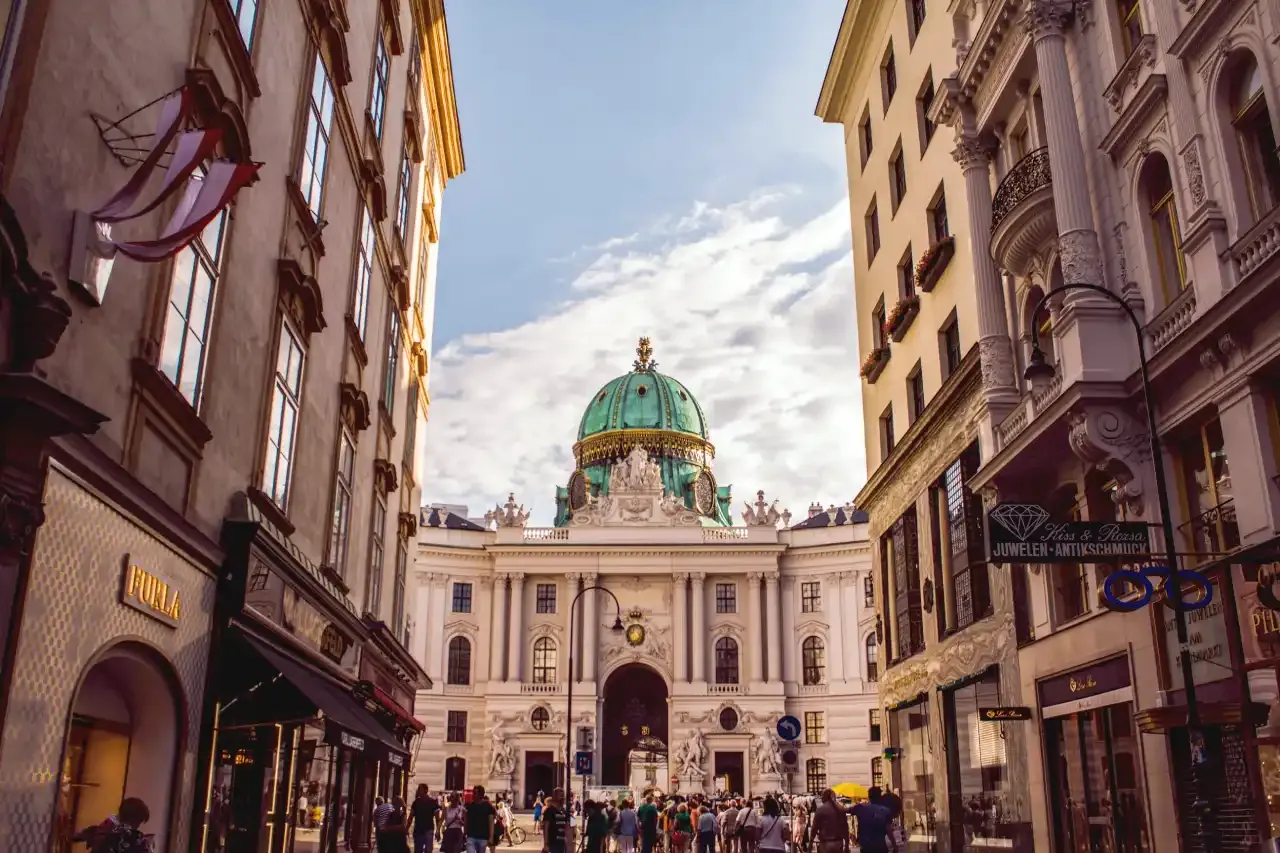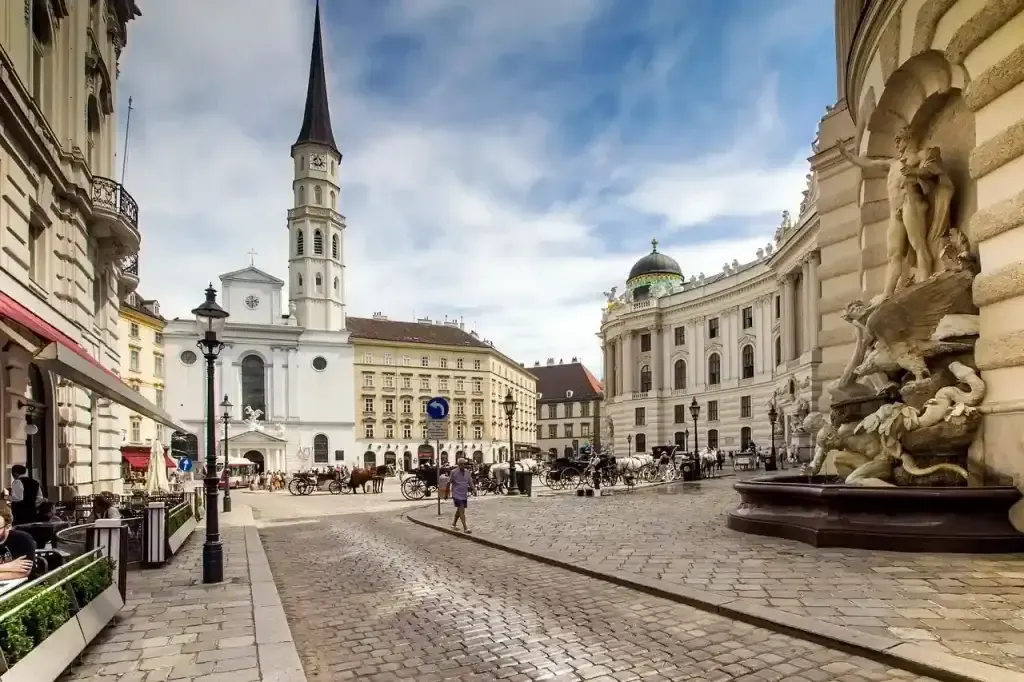
Sisi Museum at the Hofburg Palace
The Sisi Museum in Vienna offers an intimate look at Empress Elisabeth, one of history’s most fascinating empresses, moving beyond the romantic myth to reveal the complex, often tragic woman behind the crown.
Support when you need it
Customer service to help you with all your needs from 8:00 a.m. to 7:00 p.m.
Fast and online booking
Choose the best option for your needs and preferences and avoid the lines.
Top attraction in Vienna
Experience the grandeur of Austria’s imperial history in the heart of the city.
Who was Sisi and why was she so important?
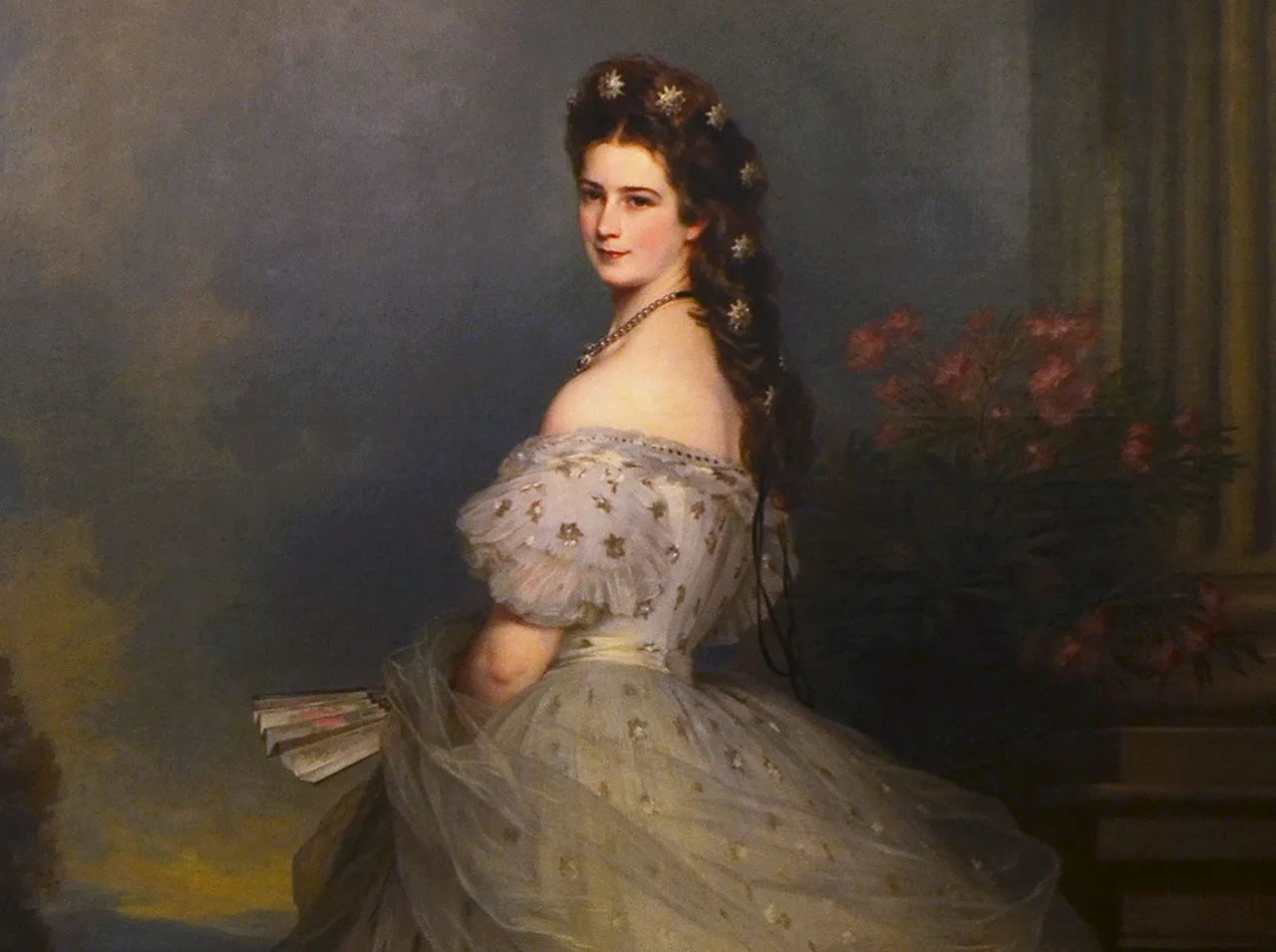
Elisabeth of Bavaria became Empress of Austria at just 16 years old when she married Emperor Franz Joseph in 1854. But here’s what makes her story resonate 170 years later: she never wanted the job.
Imagine being a free-spirited princess raised in the Bavarian countryside, riding horses and writing poetry, suddenly thrust into the suffocating formality of the Habsburg court. The “Spanish Etiquette” that governed Vienna made every meal, every conversation, every moment a performance. Elisabeth rebelled in every way she could.
She became important not because of what she did as empress, but because of what she represented.
She was possibly the first modern celebrity, obsessed with maintaining her beauty through extreme diets and grueling exercise routines. She kept her waist at 50 cm and her weight rarely exceeded 50 kg despite being 1.72 m tall. Sisi traveled constantly, spending months in Hungary, Greece, and England, anywhere but Vienna.
Her influence extended beyond vanity. Elisabeth championed Hungarian autonomy, helping secure the Austro-Hungarian Compromise of 1867. She learned multiple languages fluently (including Hungarian, which endeared her to that half of the empire). Her poetry, hidden for decades, revealed a sharp political mind critical of aristocratic privilege.
But what truly cemented her legend was tragedy. Her only son, Crown Prince Rudolf, died in a murder-suicide in 1889. Elisabeth never recovered, wearing only black for the remaining nine years of her life. In 1898, an Italian anarchist stabbed her with a sharpened file while she was boarding a ship in Geneva. Sisi died at 60, having spent most of her adult life trying to escape the cage her title created.
Are Sisi Museum and Hofburg Palace the same?
Here’s where things get a bit confusing for first-time visitors. The Hofburg Palace is a massive imperial complex with 18 wings, 19 courtyards, and over 2,600 rooms, housing multiple museums, government offices, and cultural institutions. The Sisi Museum is just one specific part of this sprawling palace.
So, while they aren’t exactly “the same,” you cannot visit the museum without entering the palace. The great news is that your ticket to the Hofburg automatically grants you access to the Sisi Museum and the Imperial Apartments. You don’t have to worry about buying separate entries for these connected areas, which makes things much easier.
This matters because you might see other entrances around the Hofburg complex leading to completely different museums, like the Imperial Treasury or the Spanish Riding School. Those require separate tickets.
What is inside the Sisi Museum?
What is inside the Sisi Museum?
This isn’t your typical museum filled with dusty, impersonal artifacts. Instead, it focuses on something far more powerful: objects that Elisabeth actually touched and used every day.
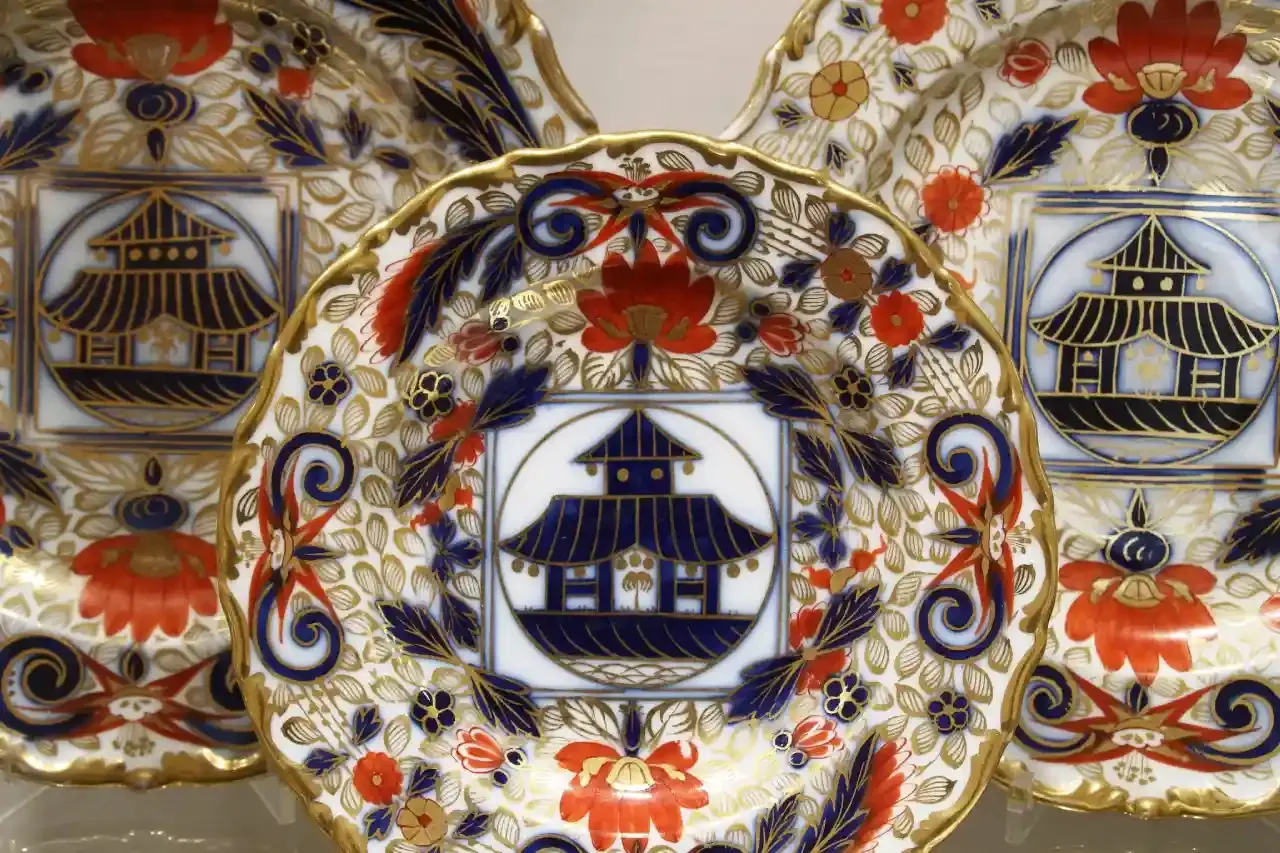
The experience begins with the Imperial Silver Collection, an incredible display of the exquisite porcelain and grand tableware that governed the rigid court life Sisi often tried to escape. However, the heart of the museum lies in her personal relics. You’ll see her famous watercolor box, her 63-piece travel medical kit, and the reconstruction of her luxurious railway carriage. The collection also includes her breathtaking mourning dresses and the jewelry she wore after her son's tragedy.
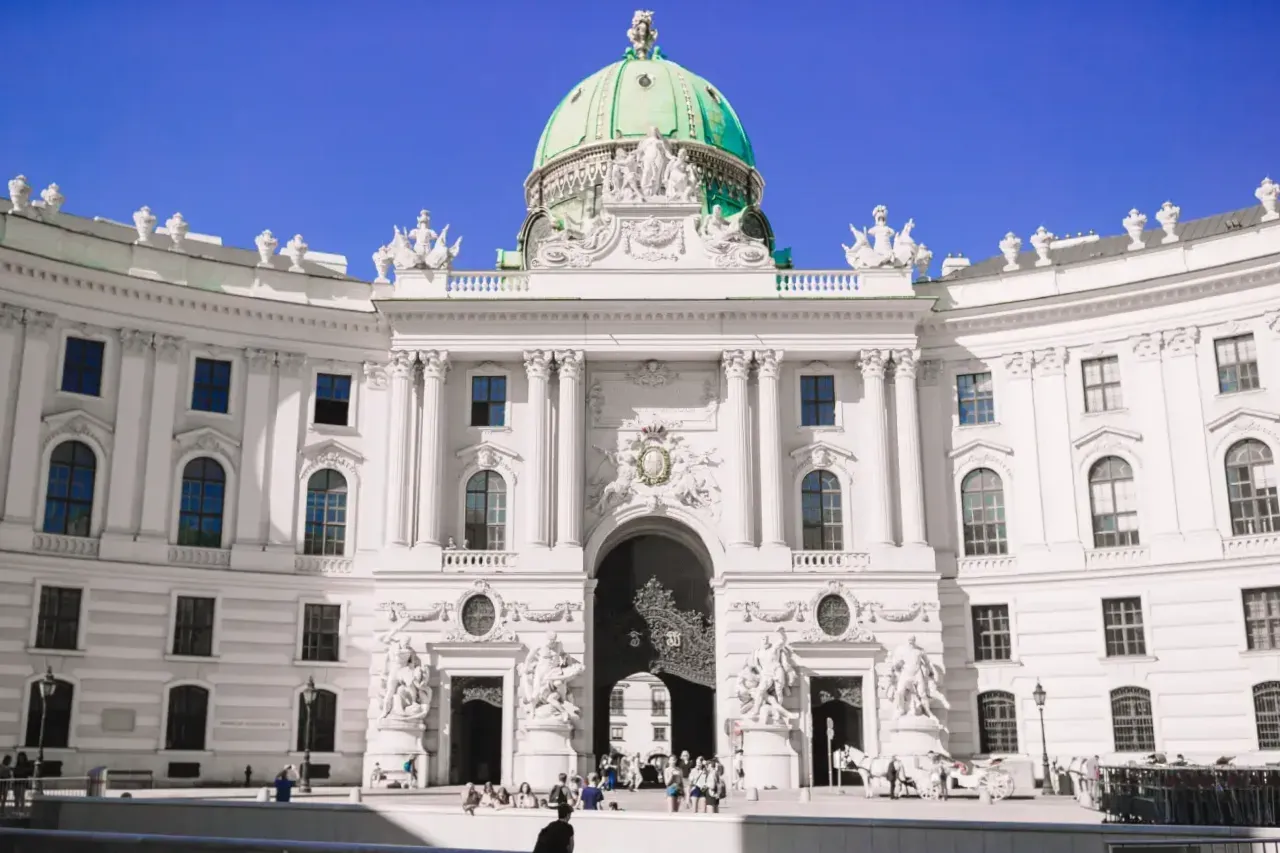
Photo: “Sisi Museum, Hofburg Palace, Vienna, Austria” by OZinOH.
What else can you see near the Sisi Museum?
The Hofburg complex is essentially a small city, housing numerous treasures beyond the Sisi Museum. Within walking distance, visitors can explore the Imperial Treasury, which holds the Crown of the Holy Roman Empire, though it requires a separate ticket. Directly opposite the main museum entrance lies the Spanish Riding School, famous for its Lipizzaner stallions and morning training sessions.
Another architectural highlight is the Austrian National Library’s State Hall, recognized as one of the world's most beautiful Baroque libraries. Finally, the Albertina Museum sits at the complex's edge, featuring world-class graphic collections with works by masters like Dürer and Klimt. Exploring these nearby sites provides a complete perspective on Vienna's vast imperial and cultural heritage.
Plan your visit to Hofburg Palace
Opening hours
The Hofburg Palace is open daily, including public holidays:
- September to June: 9:00 a.m. – 5:30 p.m.
- July to August: 9:00 a.m. – 6:00 p.m.
Note: Last admission is 30 minutes before closing time. Hours may vary during public events or maintenance.