
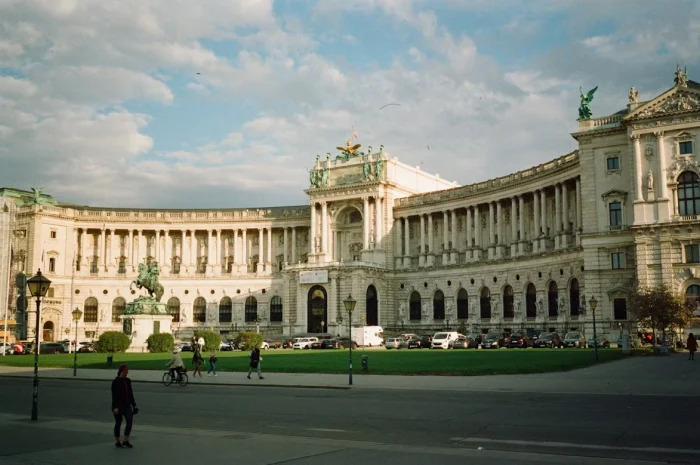
Visiting the Habsburg winter residence requires a bit of strategy, from knowing what is actually open (spoiler: not everything you read on the internet) to figuring out where to store your backpack before the security guards kick you out.
Support when you need it
Customer service to help you with all your needs from 8:00 a.m. to 7:00 p.m.
Fast and online booking
Choose the best option for your needs and preferences and avoid the lines.
Top attraction in Vienna
Experience the grandeur of Austria’s imperial history in the heart of the city, a must-see for every visitor.
Let’s say you are short on time, or maybe you just finished your tour and want to soak up the atmosphere without spending a fortune. The area immediately surrounding the palace is packed with history, and the best part is that much of it is free.

Let’s clear up some confusion that trips up a lot of visitors. The Imperial Silver Collection (Silberkammer) closed permanently on April 1, 2023. If you’ve been reading older guidebooks or blog posts from before that date, ignore them. That 30-meter-long centerpiece from Milan? The Sèvres porcelain sets? Not accessible at the moment.
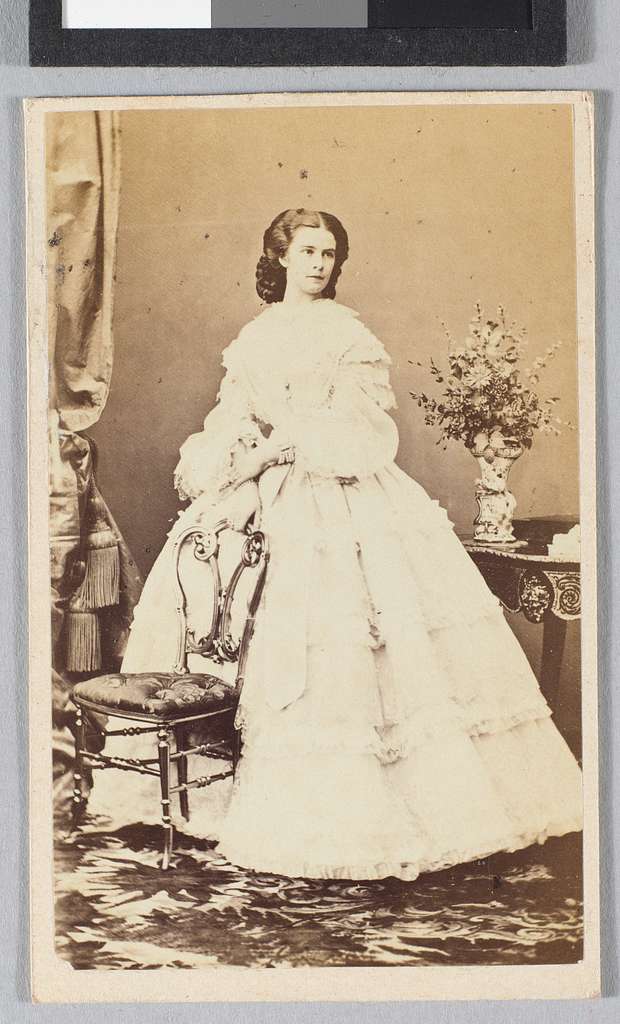
What your ticket actually gets you is the Sisi Museum and the Imperial Apartments, plus an audio guide that you’ll definitely want to use. The visit now starts pretty much immediately at the Imperial Staircase, taking you straight into the narrative about Empress Elisabeth’s complicated life and then through the official and private rooms where the imperial couple actually lived.
The Hofburg is enormous, over 2,600 rooms spread across 18 wings, but most of it remains closed to the public.
Some sections function as the Austrian President’s offices, others house various museums with separate tickets (like the Imperial Treasury or the Austrian National Library), and plenty of areas are simply not configured for tourist access. This isn’t like Versailles where you can wander endlessly through connected rooms. The route through the Sisi Museum and Imperial Apartments is linear and fairly contained.
The palace does have elevator access for visitors with reduced mobility, though you’ll likely need to ask staff at the entrance for assistance since the service elevators aren’t exactly obvious in this labyrinthine old building.
IMPORTANT: You cannot take photos anywhere inside the Sisi Museum or Imperial Apartments. Not “please don’t use flash” but actually no photography at all.
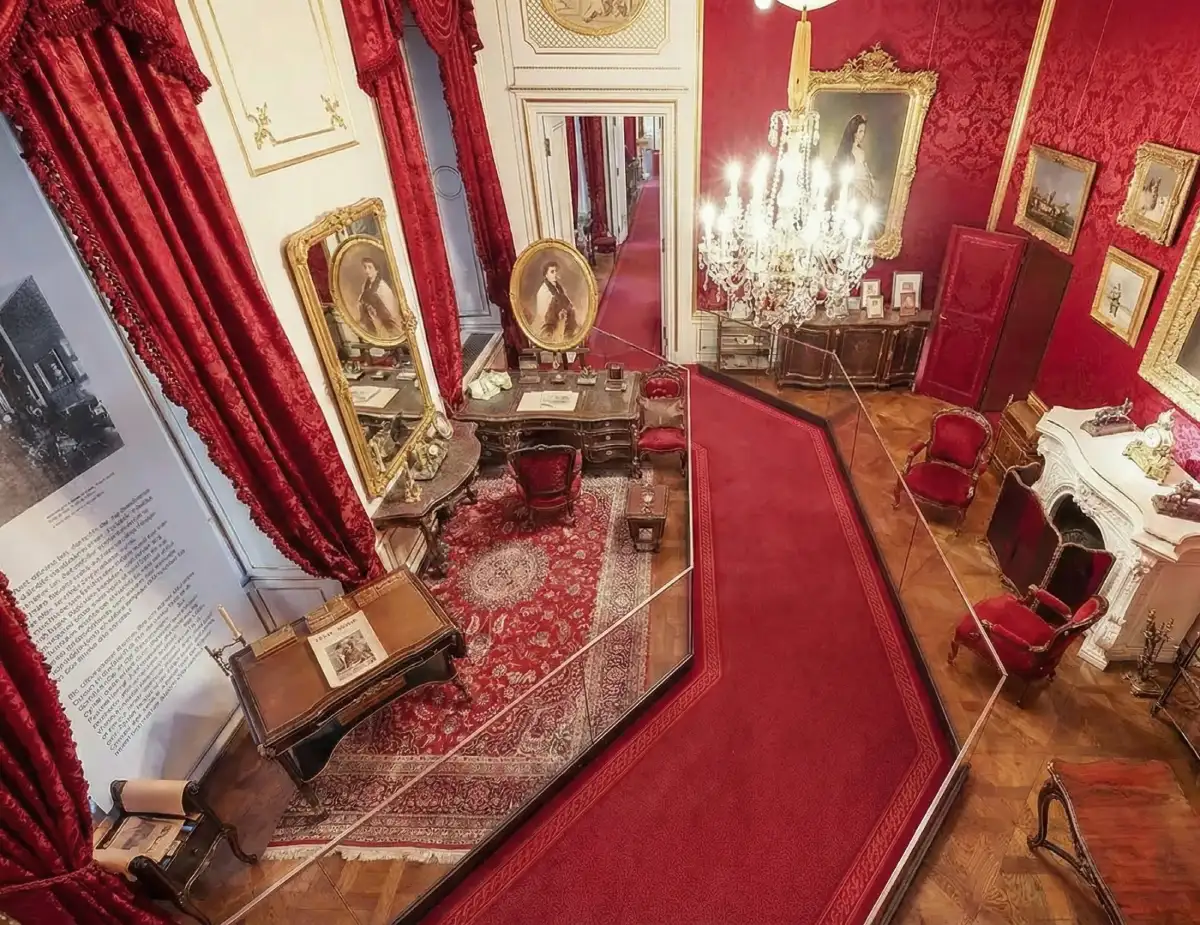
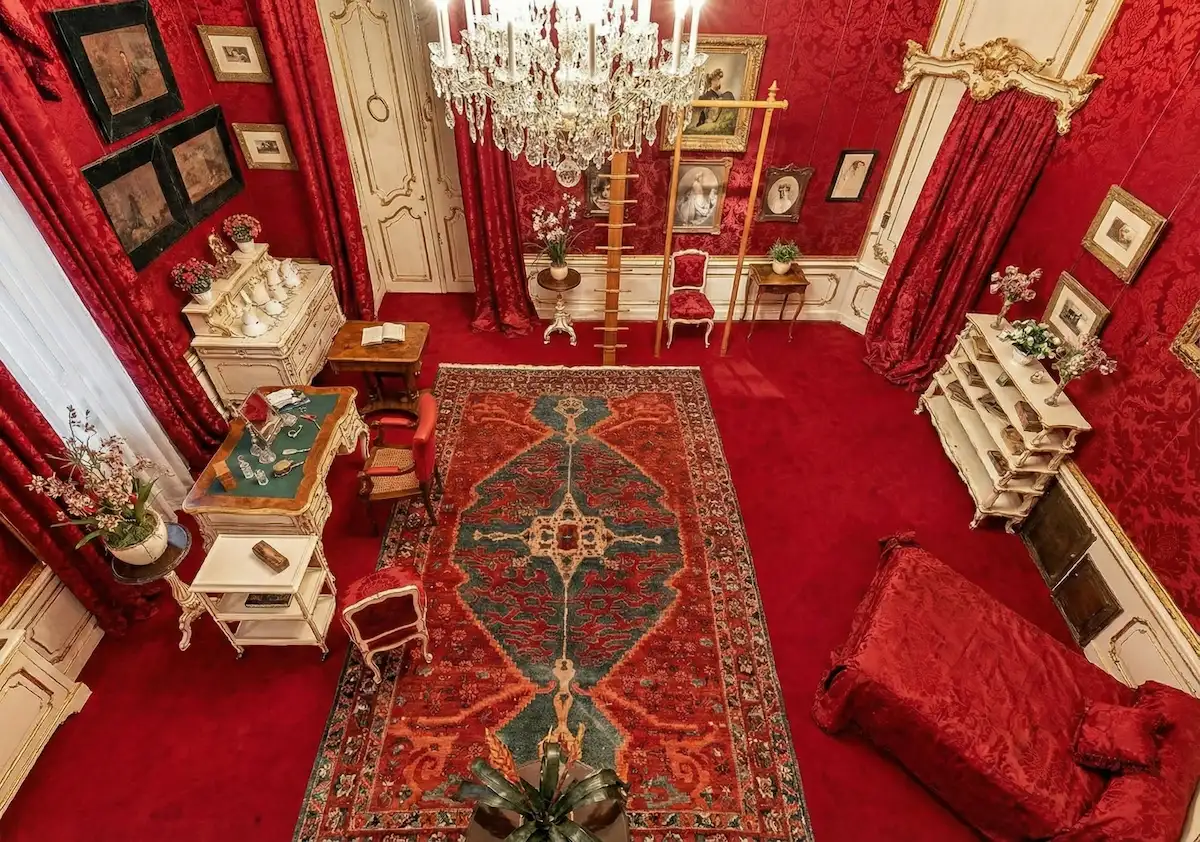

Because the Silver Collection is closed, the tour is shorter than it used to be.
But here’s what throws everyone off: the security checkpoint queue. No matter which ticket you bought, everyone goes through the same security screening at the Michaelerkuppel entrance. On weekends and during high season, that line can stretch into the outer square and eat up 15 to 30 extra minutes. Those “fast track” tickets? They let you skip the ticket office, sure, but not the metal detector and bag check.
Add it all together and you’re looking at roughly 90 minutes to 2 hours total from arriving at the square to exiting the exhibition. If you want to explore any of the surrounding spots we talked about earlier, the Stallburg horses or the Augustinerkirche, factor in another 20 to 30 minutes.
One more reality check: if you’re trying to decide between the Hofburg and Schönbrunn with limited time, choose the Hofburg if you have under three hours and want to stay in the city center, especially if weather looks rainy. The Hofburg visit is completely indoor and compact. Save Schönbrunn for when you have half a day and want to experience those elaborate Rococo interiors and massive baroque gardens.
The museum is open every day of the year, including holidays, from 9:00 to 17:30.
But here’s the catch that trips people up: last admission is at 16:30, a full hour before closing.
If you’re using GPS, search for “Michaelerplatz 1, 1010 Wien” or “Hofburg Kaiserappartements.”
Getting there:
The entrance is located under the Michaelerkuppel (St. Michael’s Dome) on Michaelerplatz. This matters because the Hofburg has multiple entrances, and showing up at the wrong one will cost you 10 minutes of confused wandering.
Once you arrive at Michaelerplatz, walk directly into the rotunda under the green dome. The ticket office and entrance are inside this courtyard, not on the street level.
You’ll pass through security (bag check), then reach the ticket desk. After purchasing or scanning your ticket, you’ll go through turnstiles. This is your point of no return, which brings us to something critical: use the bathrooms before you enter.
There are no restrooms inside the museum or the Imperial Apartments.
The audio guide isn’t just included; it’s essential. Without it, you’re looking at objects with minimal context.
How to get it: When you purchase your ticket, you’ll automatically be offered a handheld audio guide device. There’s no additional charge; it’s included in your admission price.
Language options: The audio guide is available in 14 languages, including English, Spanish, German, French, Italian, and more. Just specify your language preference when you pick up the device.
Digital alternative: If you prefer using your own device, download the “ivie” app before you arrive (it’s Vienna’s official tourist app). The app includes the Sisi Museum audio tour, which you can access with your ticket. Bring your own earbuds or headphones for this option, as the museum doesn’t provide them for the app. This is more hygienic anyway, and you’ll probably get better sound quality than the standard museum headphones.
The audio guide includes narration by historians, excerpts from Elisabeth’s poetry, and explanations of the symbolism behind specific objects. Certain items, like her cocaine syringe or her mourning jewelry, make no sense without this context.
This is where visits get ruined, so pay attention. The Hofburg enforces a strict “no bags larger than A4 size” policy, and they mean it. No backpacks of any kind, no cabin suitcases, no photography tripods, no large umbrellas. The existing cloakroom has extremely limited capacity and is really only meant for coats, not luggage storage.
And the Hofburg has no lockers or proper storage facilities for visitor luggage. This catches people off guard constantly. You cannot negotiate your way in with a backpack. You cannot “just quickly check it.”
Your only option is using external storage before you arrive. Services like Stasher, Radical Storage, and Bounce partner with local shops near the State Opera (about five minutes on foot from the palace) and around Stephansplatz. They typically charge €5 to €6 per item per day and include insurance. City Locker offers automated lockers if you prefer not dealing with shopkeepers.
This is the big question, especially if you are trying to decide between the Hofburg and Schönbrunn. Here is the honest truth. If you only care about fairytale gardens and grand exterior photos, you might prefer Schönbrunn. However, the Hofburg offers something completely different and, in my opinion, deeper.
It is worth it if you want the “real” political history. While Schönbrunn was the summer vacation home, the Hofburg was the winter command center where the actual work happened. It is the best place to understand the stark contrast between Emperor Franz Joseph’s sense of duty (his rooms are surprisingly simple) and the tragic, complex life of Empress Sisi.
If you are looking for a fun, lighthearted evening where you can hear the “Greatest Hits” of Mozart and Strauss in a beautiful historic hall, then yes, the Vienna Hofburg Orchestra is entertaining. It is designed for tourists, so it is accessible and visually nice.
However, if you are a serious music lover or an audiophile, you might find it a bit “kitsch” or commercially driven. These are not usually the world-famous philharmonic orchestras.
The absolute worst time to go is between 11:00 AM and 2:00 PM. This is when the large tour buses drop off their groups, and the narrow corridors of the Sisi Museum can feel claustrophobic.
To have the palace to yourself (or close to it), you have two smart options:
Winter transforms the Hofburg experience in ways you need to plan for. The palace doesn’t exactly blast the heating despite those high ceilings and massive windows. Conservation requirements limit how warm they can keep certain rooms, so you might actually want to keep your coat on during the tour or at least wear layers. The cloakroom takes large items, but keeping a sweater with you makes sense.
The Michaelerplatz Christmas Market sets up right outside the main entrance from mid-November through December 26. Unlike the massive market at City Hall, this one stays smaller and focuses on quality Austrian craftsmanship. It’s the perfect spot to grab a Glühwein before or after your visit, and those distinctive white stalls create a pretty magical backdrop when you’re approaching the palace entrance.
Something most visitors don’t realize: the Hofburg still hosts actual events, particularly during ball season in January and February. You might see workers setting up elaborate floral arrangements or rolling out red carpets for that evening’s Confectioners’ Ball or Coffeehouse Owners’ Ball. Far from being an inconvenience, this reminds you that the palace isn’t just a frozen-in-time museum but a living venue where Vienna’s social traditions continue.
Summer presents the opposite problem, and honestly, it’s more severe. Much of the Imperial Apartments lacks modern air conditioning. Installing climate control systems in protected Baroque structures comes with massive restrictions, so during heatwaves when temperatures push past 30°C (86°F), those upper rooms packed with visitors can become genuinely uncomfortable.
It is famous because it isn’t just one building. It is essentially a “city within a city.”
Unlike Versailles or Schönbrunn, which were built with a unified plan, the Hofburg grew organically over 600 years. Every emperor from the 13th century to 1918 added a new wing, a new courtyard, or a new fortification to show off their power. The result is a wild mix of styles, from Gothic to Renaissance to 19th-century Historicism.


